The Konkani language
Spoken across the west coast of India — Goa, coastal Karnataka, Kerala — with a script and a rhythm all its own. At AEK we keep it alive in songs, in kitchen instructions, and in every 'chal, jevayla' called across the hall.
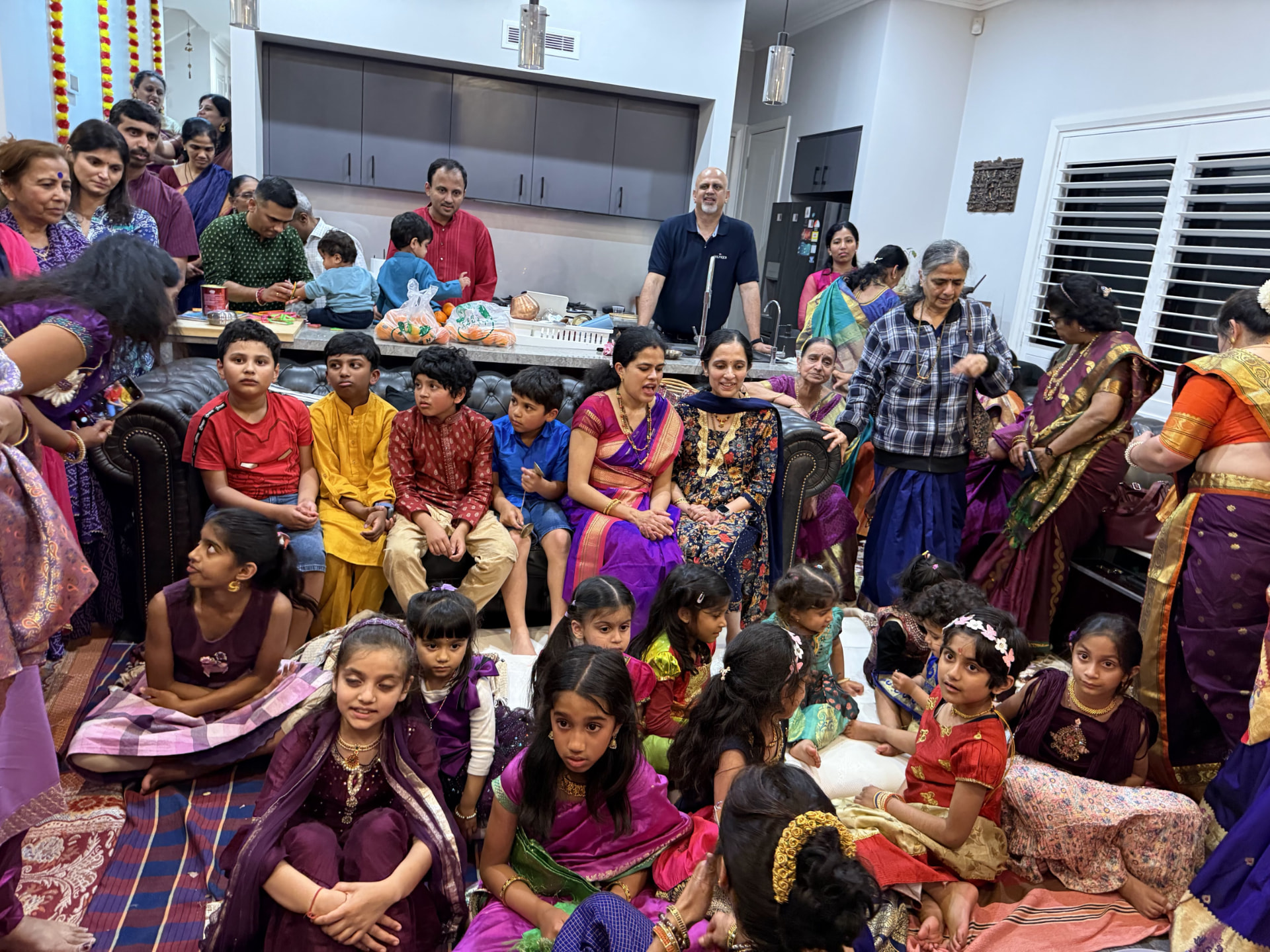
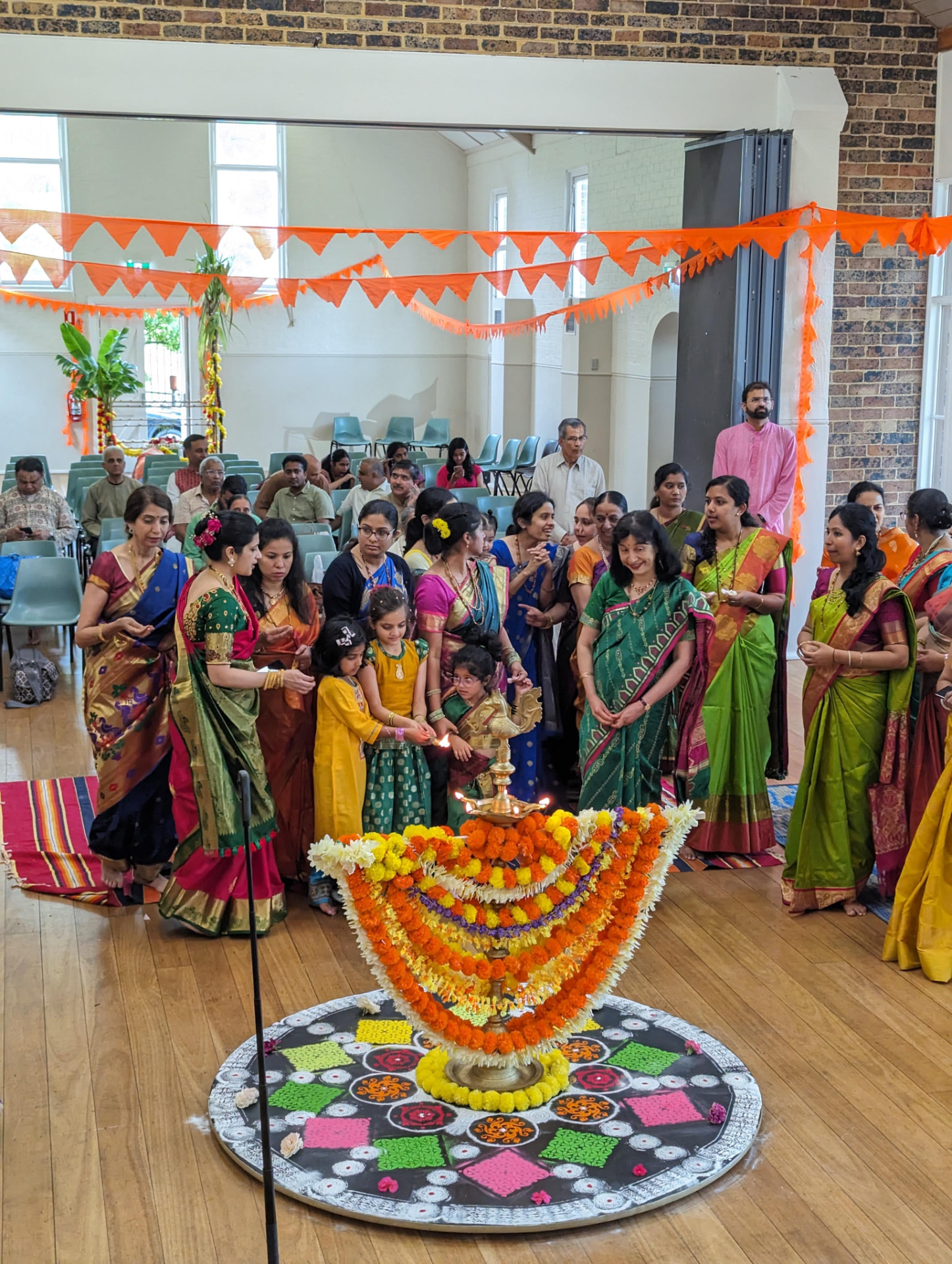
Heritage isn't in a museum. It's in a recipe, a song, a ritual, a language — practised every week in a Sydney hall by families who refuse to let it fade.
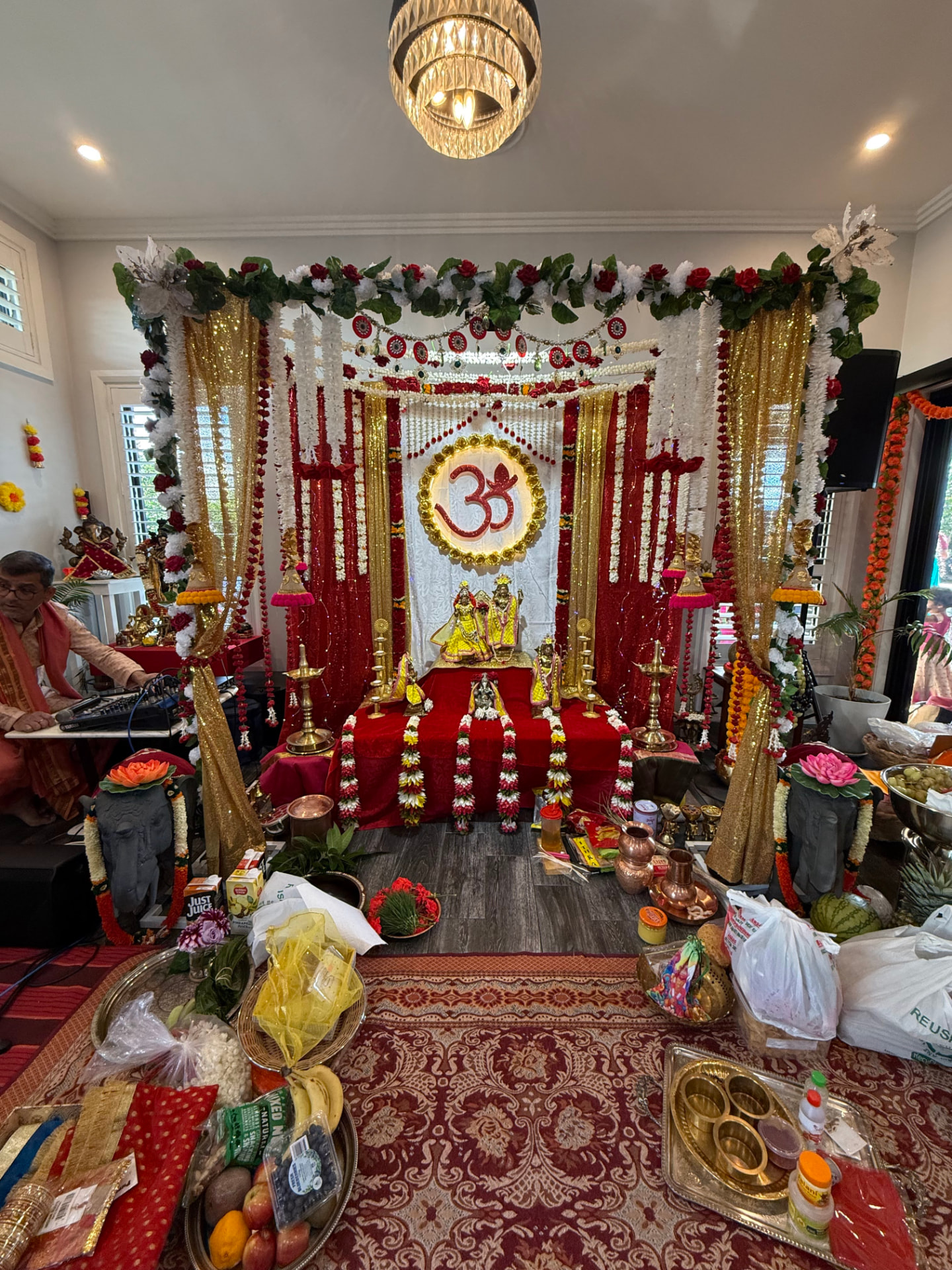
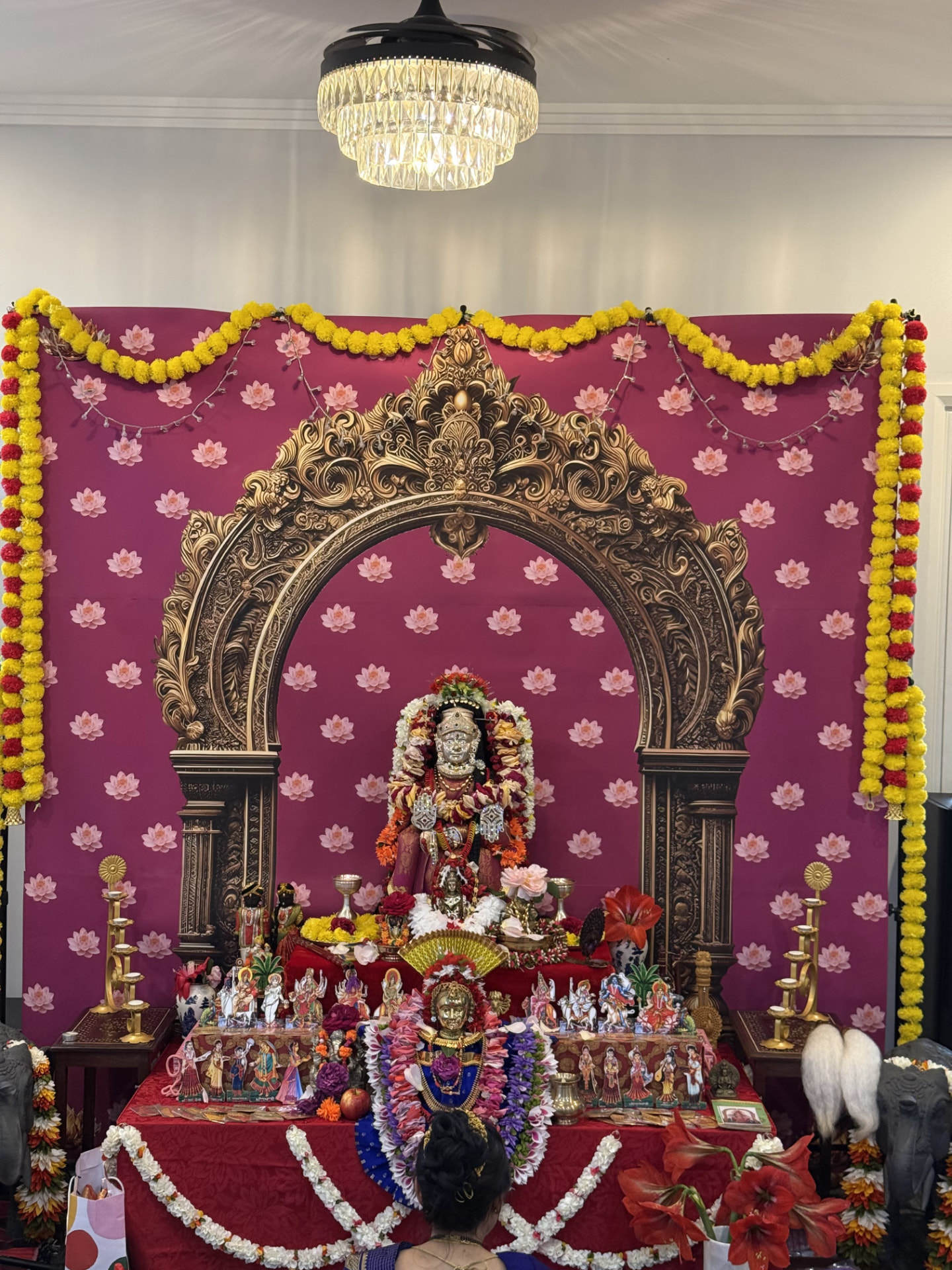
Language, music, textiles, home rituals — the small everyday things that make a Konkani home a Konkani home, wherever in the world it sits.
Spoken across the west coast of India — Goa, coastal Karnataka, Kerala — with a script and a rhythm all its own. At AEK we keep it alive in songs, in kitchen instructions, and in every 'chal, jevayla' called across the hall.
The Warkari tradition, the Bhagwat Katha, the Kirtan — passed down by generations of grandparents who never needed a stage or a mic.
The nauvari saree, the mundu, the mangalsutra, the coconut-shell bangles — small heirlooms with big stories.
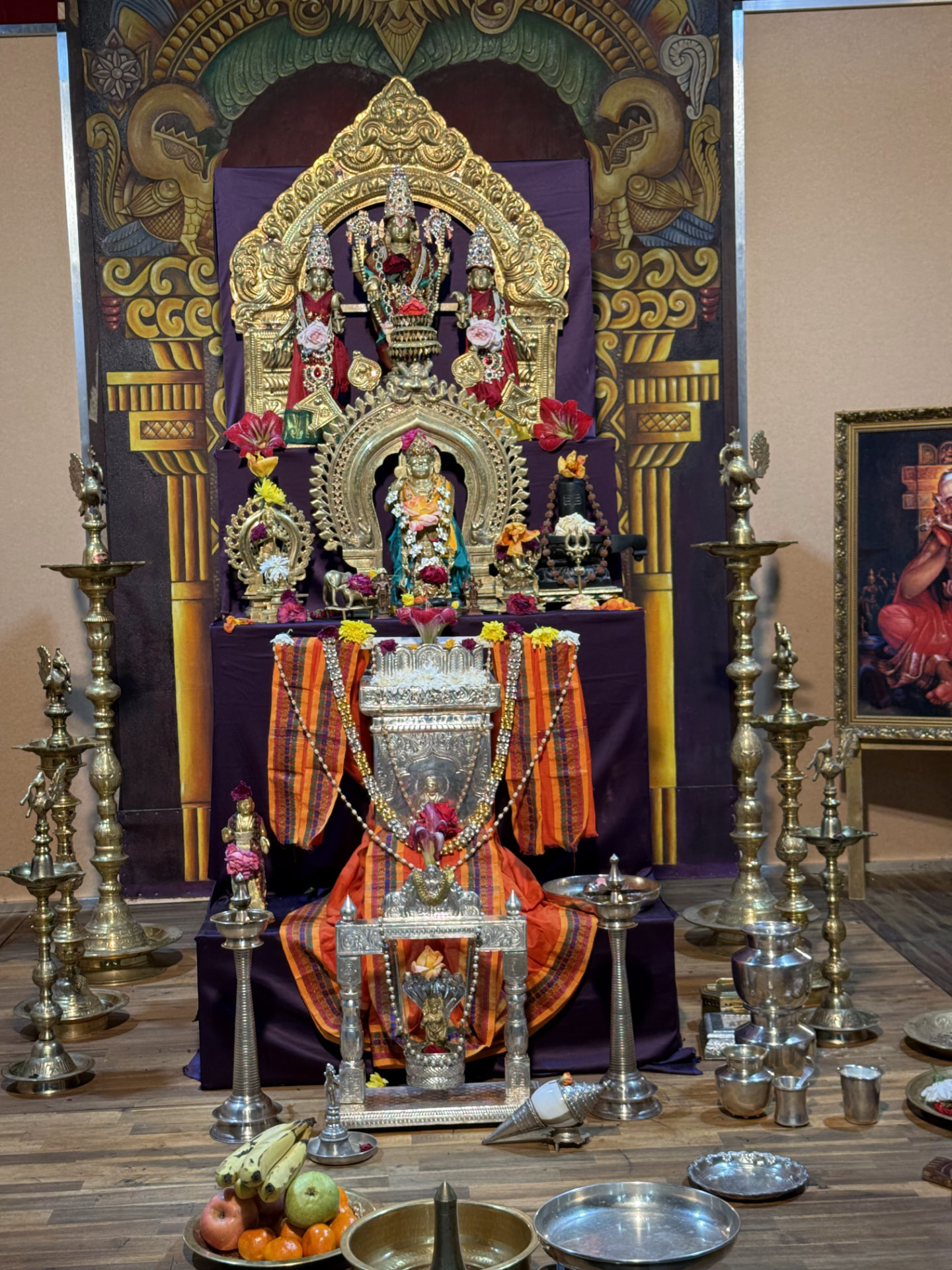
The tulsi vrindavan at the doorstep. The daily oil lamp. The rangoli at dawn. The namaskaram to elders before school. A hundred quiet rituals that shape a life.
A slow-building archive of the recipes AEK families cook for one another — measured the way our aajis measured, roughly and lovingly.
Recipes are family versions and vary by household. Committee members can add their own.
Recorded conversations with AEK's aajis and ajjas — how they arrived, what they carried, and what they hope we don't lose. A living archive, growing every year.
“When I first came to Sydney, there was no temple, no Konkani neighbour, and no jackfruit. So I made my own kitchen a temple. Forty years later, my grandchildren speak Konkani at the dinner table. That is my life's work.”
“In the village, Ganesh Chaturthi meant the whole street coming together. When I got here, I thought that was gone. Then AEK happened — and suddenly the street came back, just with a different postcode.”
“My mother taught me pathrode without measuring anything. A handful of this, a pinch of that. Now I teach it to AEK kids the same way. Recipes should not be written; they should be watched.”
“The keertan tradition doesn't need a stage. It just needs a lamp, a book, and someone willing to sing badly at first. That's how I started — badly. Now the youngsters ask me to lead the aarti.”
We're building this archive slowly, with care. If your aaji, ajja, mama or mavshi has a story to share, we'd love to record it.
Nominate an elder